The LEAP Institute: a community-approach to learning
- South Africa
30 January 2026

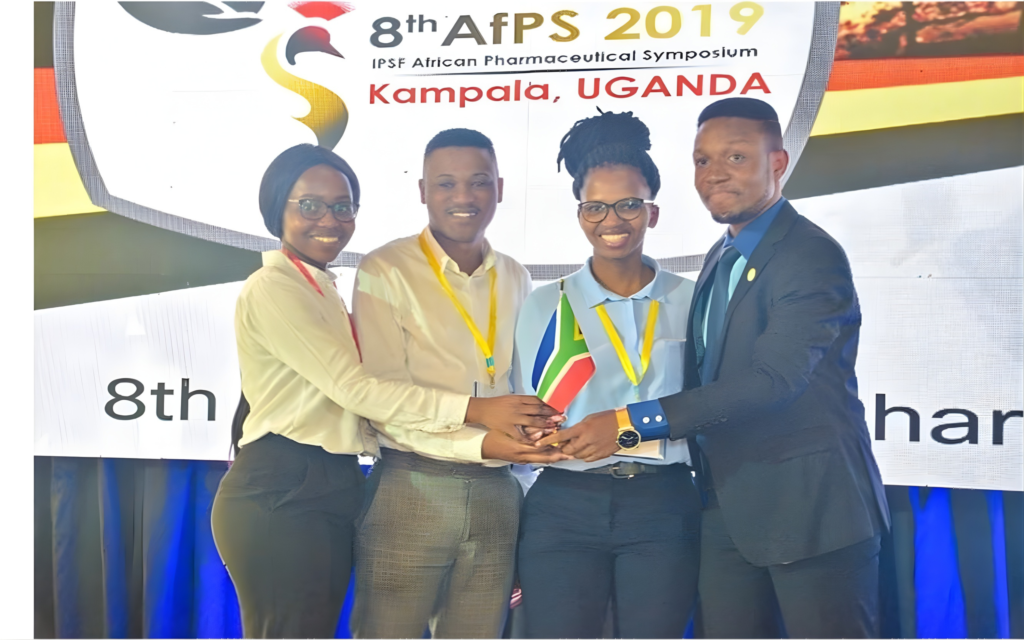
LEAP graduates collage
How a community-rooted approach to learning is reshaping mindsets, ecosystems and the purpose of education.
The LEAP Institute reimagines education as a regenerative, consciousness-driven practice that reconnects humanity with the natural world. Building on two decades of innovation through the LEAP Science and Maths Schools, it supports schools and communities to unlock their own strengths through reflective learning, ecological literacy and traditional wisdom.
Background
Why LEAP emerged: a response to systemic inequity
Across much of the majority world, education still carries the imprint of colonial and industrial systems that prioritise academic performance over wellbeing, individual success over collective flourishing and competition over community care. In many South African communities, this narrow model has reinforced cycles of inequality, rising unemployment, disconnection from heritage and a prevailing sense of hopelessness.
The LEAP Institute emerged in response to this reality. Building on more than 20 years of pioneering work at the LEAP Science and Maths Schools, it stands as a platform for regenerative education. Its mission is profound in its simplicity: to spark systemic change by nurturing connected, resilient people capable of shaping sustainable futures. LEAP is not only transforming education; it is redefining its purpose.
Approach
A holistic approach: head, heart, hand, heritage and humanity
The Institute’s model is grounded in a simple but radical idea: education must cultivate whole, conscious human beings who can regenerate their communities and ecosystems. LEAP integrates intellectual development, emotional growth, practical action and indigenous wisdom through five interconnected pillars: head, heart, hand, heritage and humanity.
- Head develops critical inquiry and scientific literacy. Science and maths are taught as tools for sustaining life. In living learning laboratories, learners investigate soil, water, air and energy, linking academic concepts to local environmental challenges and learning how to question, analyse and innovate.
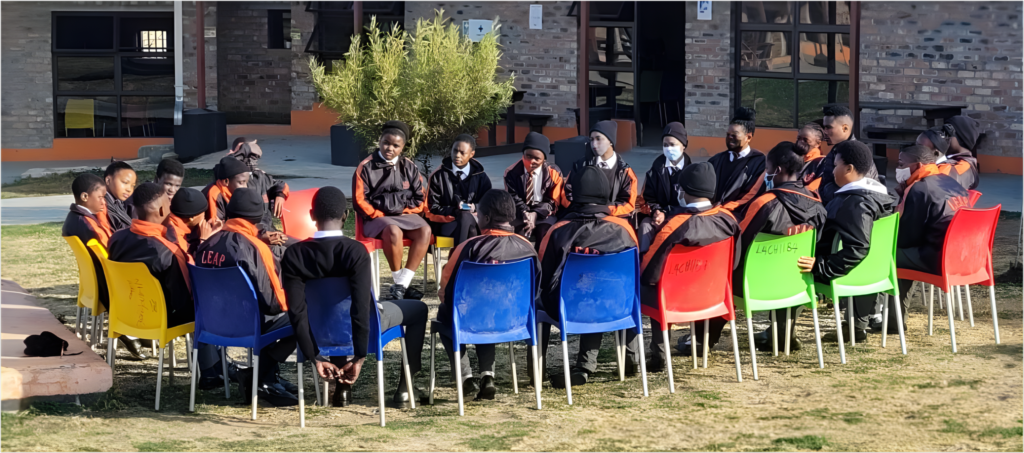
- Heart strengthens emotional intelligence and Ubuntu. Daily consciousness circles build self-awareness, empathy and reflective presence. Through deep listening, storytelling and mindfulness, learners learn to navigate conflict and connect with others and the natural world.
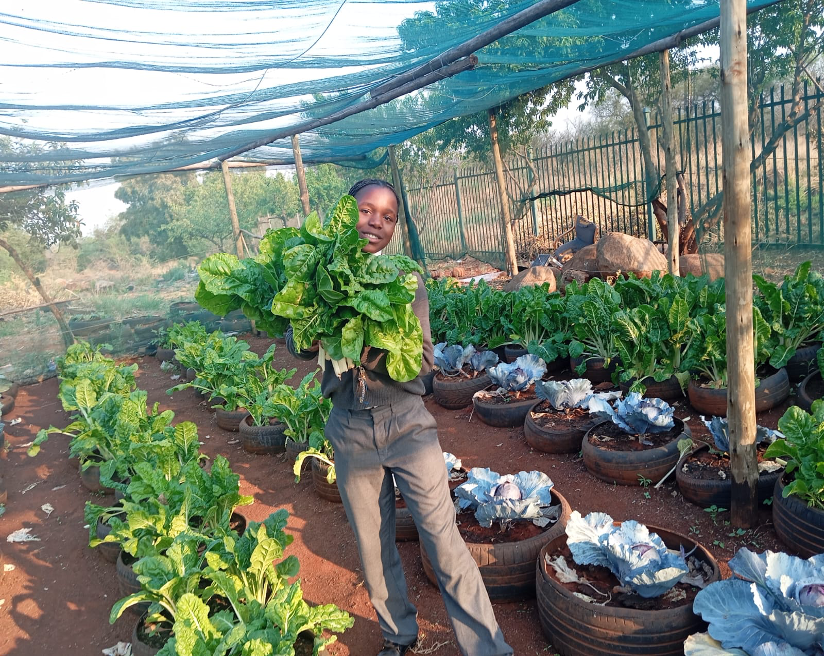
- Hand turns insight into action. Learners restore ecosystems, participate in citizen science and lead community projects. By planting biodiversity gardens, recycling, rehabilitating land and monitoring environmental health, they build agency and responsibility for place.
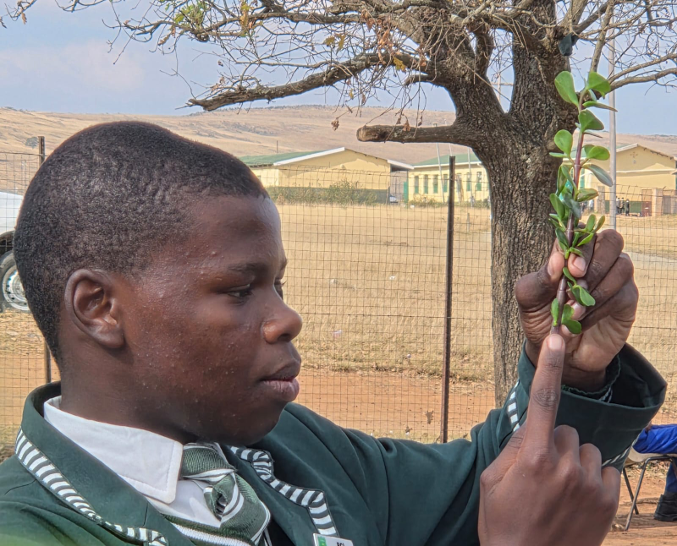
- Heritage values indigenous knowledge as a source of identity and wisdom. Guided by elders and scholars, learners explore African ecological practices, traditional harvesting, herbal medicine and cosmologies, reclaiming dignity and intergenerational continuity.
- Humanity nurtures interdependence and collective responsibility. Classrooms prioritise collaboration over competition. Educators facilitate peer learning and shared leadership, helping learners understand that individual and collective wellbeing are inseparable.
Together, these pillars create a regenerative educational ecosystem where young people learn not only how the world works, but how to heal and transform it.
The impact
For the LEAP Institute, impact is both measurable improvement and deep cultural change. Early indicators include rising academic results, stronger learner retention and calmer, more collaborative school cultures. Reductions in violence and bullying show that emotional resilience is taking root. Longer-term impact is reflected in schools and communities becoming self-regulating, self-driven and intrinsically motivated, able to sustain progress because the reward comes from within.
Impactful activities
Click below to open and find out more about LEAP’s activities:
Consciousness circles: Self-liberation and identity
LEAP’s approach empowers learners to find their voice, understand its meaning and act with clarity and agency. This begins each morning in consciousness circles, where emotional development becomes a shared practice. Through mindfulness, deep listening and honest reflection, learners build the trust needed to speak openly about their experiences, hopes and fears. Over time, they ask: Where is my voice? What is it telling me? How can I act on it? This becomes a powerful entry point to self-liberation.
In living learning laboratories, this inner clarity meets intellectual inquiry. Heritage becomes a lens for understanding science, and learners discover that African knowledge systems have long shaped scientific thought. This strengthens their confidence and gives them a grounded sense of identity and belonging.
This is LEAP’s deeper impact: young people who trust their thinking and lead change from within their communities.
Asset-based community development: Communities empowered from within
The LEAP Institute creates community-level impact by helping people recognise their strengths, organise around them and take collective responsibility for their wellbeing and environment. This begins with asset-based community development (ABCD), the foundation on which its regenerative practices take root.
Over one or two days, a broad cross-section of the community—priests, parents, youth, sangomas, police forums and local groups—gathers to explore one central question: What are the assets of this community?
Human skills, cultural knowledge, ancestral practices, economic flows and environmental resources are mapped on the walls. For many, it is the first time they have seen abundance rather than deficit. While challenges remain, the narrative shifts as people recognise how much they can achieve together.
Eco clubs: Environmental stewardship and agency
The LEAP Institute strengthens environmental stewardship by helping learners and communities understand their ecosystems and take responsibility for restoring them. After an ABCD workshop identified environmental care as a priority, the community formed an ‘eco club’, a learner-led group dedicated to caring for their surroundings. What began as a local idea quickly aligned with LEAP’s educational levers, allowing learners to apply scientific thinking to real action. Over time, the ‘eco club’ became part of their identity. Calling themselves citizen scientists, learners restored green spaces, reduced waste and monitored biodiversity, helping shift the culture of both schools and communities. When children see themselves as responsible for their environment, they move from passive observers to active custodians of place, making regeneration a shared norm.
Pollination: Impact that spreads
The LEAP Institute creates impact through ‘pollination’, the quiet spread of ideas and practices that awaken self-liberation. It begins with raising consciousness, helping individuals see their lives, choices and possibilities with new clarity. As people ask, Why am I here? What has shaped me? What else is possible? they release the belief that they are victims of circumstance or waiting for rescue and recognise that agency lives within.
Pollination is not a programme but a ripple effect. One awakening sparks another, and each conversation opens space for the next shift. Over time, a culture of self-belief, responsibility and possibility takes root across learners, schools and communities.
A journey of transformation
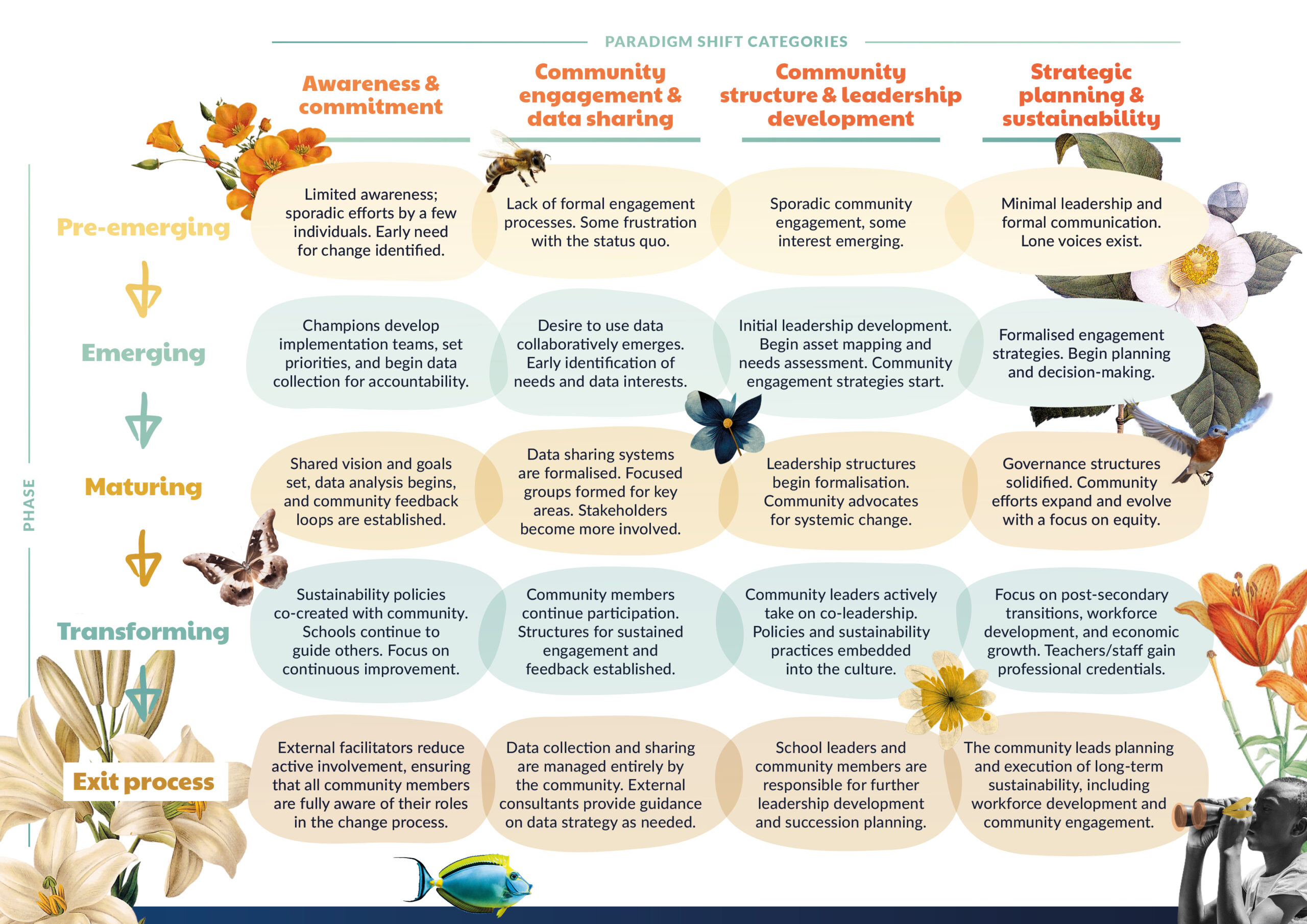
LEAP measures this transformation by tracking how communities move through four phases:
- Pre-emergence: A community begins sensing the need for change, often sparked by a single voice calling for something different.
- Emergence: ABCD workshops activate collective insight. Communities map their assets, recognise unused strengths and begin organising around them. Within months, increased participation, improved communication and early ownership signal that the system is waking up.
- Maturity: Task teams operate independently, eco clubs are learner-led and responsibility shifts locally. Schools become cleaner, green spaces reappear and children proudly identify as citizen scientists. Leadership stories and behavioural shifts reinforce progress.
- Transformation: Early adopters become ambassadors who support neighbouring communities. Practices “pollinate” outward, spreading regenerative mindsets. Improved academics, stronger retention and peaceful school cultures show lasting change. ABCD baselines repeated every six to eight months help communities assess their own growth.
A story from the ground: a community celebration
In one rural Eastern Cape community, LEAP had been working for about eight months when the academic results, especially maths, began to rise sharply. This was significant in a place where the prevailing belief had long been that “nothing good ever happens here.” Many people had lost hope after years of broken promises and low expectations. The school itself was seen as incapable of improvement.
LEAP’s work began not with maths lessons but with community regeneration: ABCD workshops, task teams and culture rebuilding. Parents, elders and young people stepped forward to support learner uniforms, reading, emotional care and environmental work. By the time the improved maths results arrived, ownership already rested with the community.
When the school celebrated, the photos and videos told a powerful story: the entire community gathered, not to celebrate the LEAP Institute, but to celebrate themselves. The pride in that moment came from seeing what could happen when people stand together: “Look at what we have achieved.”
For LEAP, this was the clearest evidence of impact. Transformation was not external. It was owned, lived and led by the community.
Looking ahead
The LEAP Institute envisions itself as a platform that accelerates a wider movement for regenerative education.
In 2025, the LEAP institute welcomed their 9th school, but their vision goes beyond this. Rather than building dozens of new LEAP schools, the Institute’s long-term strategy centres on scaling principles, not institutions, aiming to build a self-sustaining movement of changemakers.
The Institute is also increasingly stepping into its role as a global thought leader. Internationally, the Institute is expanding its influence through partnerships, aiming to open doors, amplify community-rooted insights and help shape the global discourse on regenerative futures in education.
Learning and recommendations
LEAP’s experience underscores that transforming education requires more than curricular reform, it demands a cultural and relational shift. Key lessons include:
- Education as consciousness cultivation: Learning engages emotional, ethical and spiritual dimensions, not only cognitive ones. Consciousness circles help learners internalise empathy, responsibility and interdependence.
- Ecology as pedagogy: Environmental stewardship is embedded in daily learning. Citizen science projects show how hands-on ecological work strengthens both academic and emotional development.
- Community as classroom: Indigenous knowledge and place-based practices restore cultural identity and deepen ecological awareness.
- Educators as facilitators: Ongoing professional development enables teachers to model vulnerability, compassion and curiosity, supporting a regenerative learning culture.
- Policy integration for systemic change: Curricula must include reflective dialogue, ecological literacy and community-based projects and measure success through wellbeing, cooperation and planetary responsibility rather than test scores.
As societies confront climate breakdown and inequality, the LEAP Institute offers a replicable blueprint for transformative learning. One that bridges the human–nature divide and prepares future generations to thrive within Earth’s limits while fostering hope beyond them.