26 March 2026
Sustainable Business Internship programme launches at Strathmore University Business School
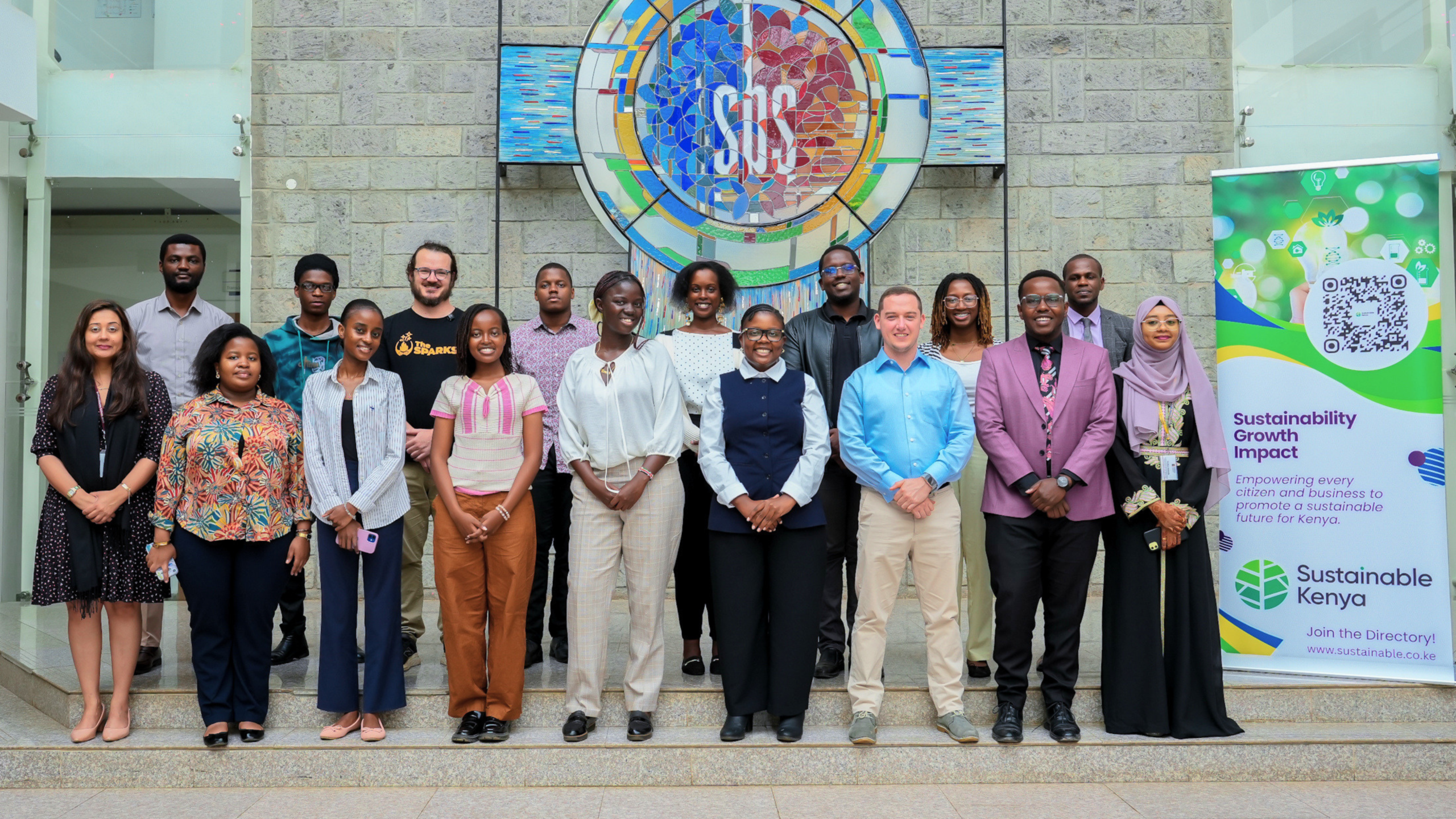

The Sustainable Business Internship (SBI) programme officially launched last week with a three-day training workshop at Strathmore University Business School in Nairobi, Kenya.
Led by The 50 Percent (the Club of Rome), Sustainable Kenya and Strathmore University Business School, the programme brings together young professionals and businesses to work on real sustainability challenges, at a time when both are navigating transition respectively.
Across Kenya, small and growing businesses form the backbone of the economy. Yet many are under increasing pressure to adapt to climate risks, shifting markets and evolving sustainability standards, more often than not, without the capacity, expertise or internal resources to do so.
At the same time, young people are entering the workforce with strong academic foundations and an awareness of sustainability issues, but limited opportunities to apply this knowledge in practice. For many, the transition into meaningful, impact-driven work remains a growing challenge.
A gap begins to form for both sides.
Businesses are looking for ways to move forward on sustainability, but lack the support to do so. Young professionals are ready to contribute but lack the pathways to apply their skills.
The Sustainable Business Internship programme is designed to bridge this gap, connecting both sides through practical, work-based learning.
Building a bridge between learning and practice
The SBI programme brings together an interdisciplinary cohort of Strathmore students and places them within small and medium-sized enterprises (SMEs), where they will work on local business sustainability challenges.
The cohort reflects a wide range of academic backgrounds, including:
- Statistics and data science
- International studies
- Commerce
- Supply chain and operational management
- Business information technology
- Informatics and computer science
- Electrical and electronics engineering
The interns will be hosted by a group of Sustainable Kenya’s local partner businesses, such as Grounded, TakaTaka Solutions, Wild Rose, KenyaCof, 254 Green Company and Nairobi Coffee Exchange.
The launch: A three-day workshop in systems and sustainable business
The programme began with an intensive three-day in-person workshop at Strathmore University Business School, designed to provide interns with a foundation in systems thinking and sustainable business practices.
The sessions introduced participants to:
- Systems thinking and root cause analysis
- The interconnected nature of environmental, social and economic systems
- Practical tools for analysing sustainability within business contexts
- Real-world case studies and applied exercises
Rather than focusing solely on theory, the workshop required application, encouraging participants to think critically about how sustainability can be embedded within everyday business decisions. Practical and embodied exercises in systems thinking, leadership and professional practise were also included to help prepare interns for their transition into the workplace.
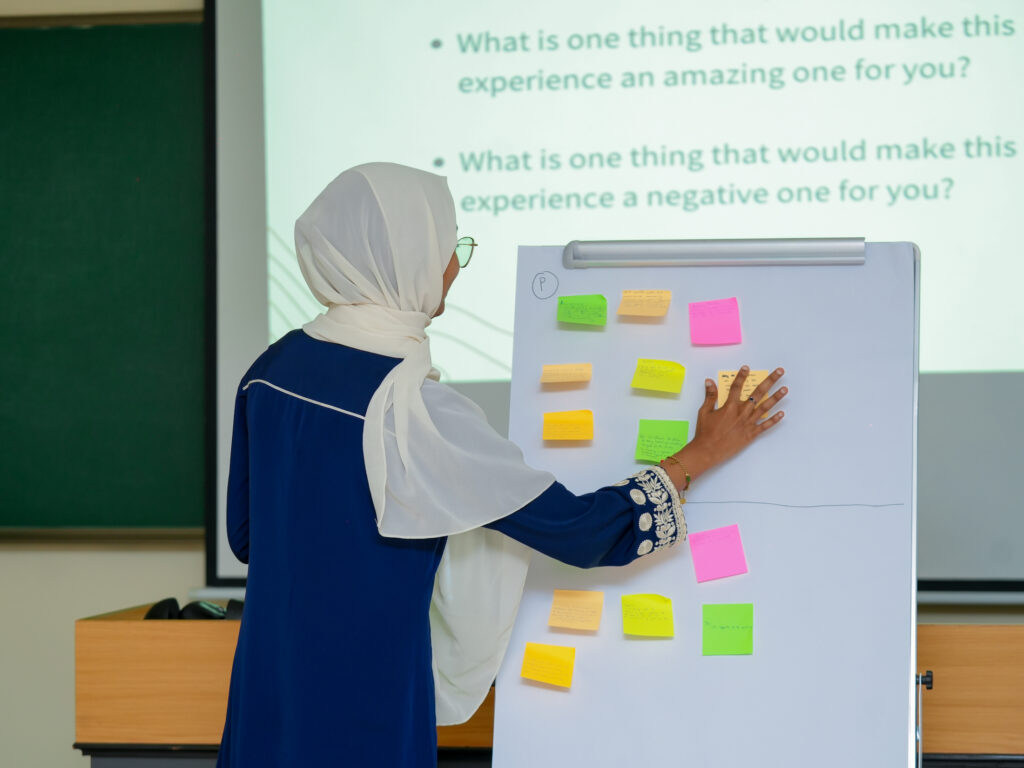
Some insights from the workshop
The most prevalent insight to emerge from the workshop was the gap between awareness and action.
Participants entered with a strong understanding of sustainability concepts, but a shared desire to move beyond theory and into practice. The workshop also led to a measurable increase in participants’ confidence and understanding of systems thinking and sustainable business practices. Most emphasised that a meaningful internship experience would require active contribution and not simple observation.
“I want to apply my knowledge to real-world sustainability challenges.” – Bugeme Mujijima Leontine, participant of SBI programme
“Learning on site, through practice.” – Alan Nonso, participant of SBI programme
There was a consistent emphasis on contributing meaningfully to businesses, applying existing skills in real contexts and gaining hands-on experience.
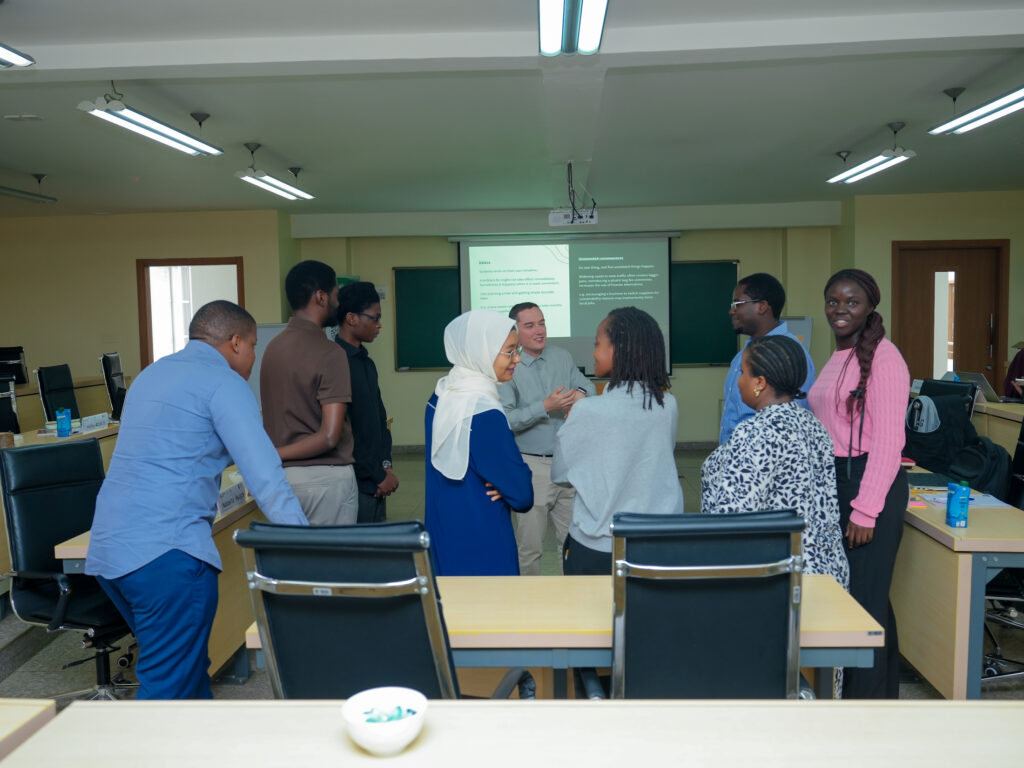
Another recurring theme was the relationship between effort and impact:
“I learned that high effort doesn’t necessarily lead to high impact.” – Alvin Blair Mubiru, participant of SBI programme
Alvin also highlighted the importance of interconnected thinking:
“I learnt that you cannot improve one part of a system without considering the others.” – Alvin Blair Mubiru, participant of SBI programme
Another key insight that emerged during an open discussion, sustainability is no longer confined to specific roles:
Sustainability is no longer one job title but is shifting to be in everyone’s job description.
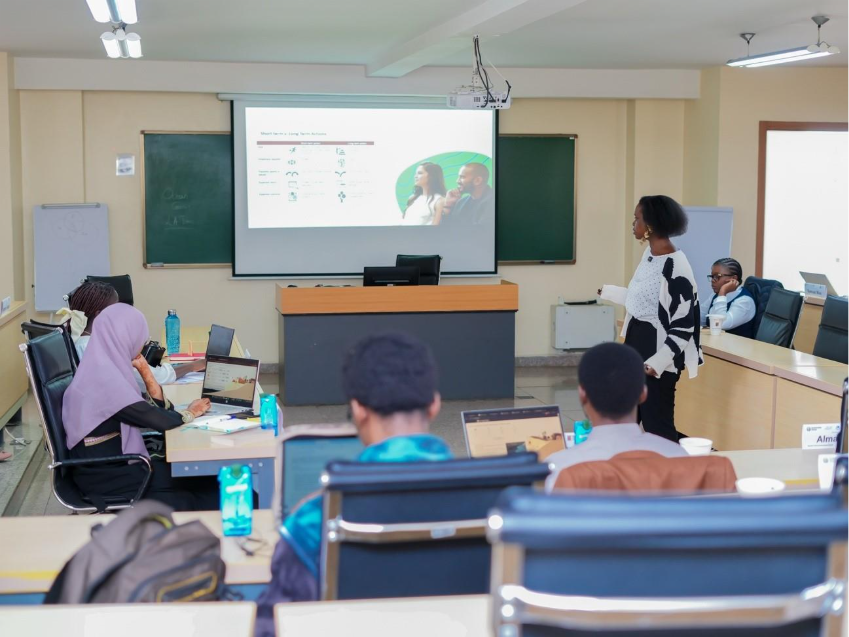
Looking ahead: from training to implementation
Following the workshop, interns now transition into the placement phase of the programme.
Over the coming three months, they will work directly with partner businesses to analyse sustainability challenges, identify opportunities for improvement and contribute to implementing sustainable practices.
Supported by mentorship and ongoing check-ins, this phase is designed to translate learning into tangible business impact.
A collaborative step forward
The Sustainable Business Internship Programme creates a space where:
- Young professionals can develop meaningful, applied experience, and
- Businesses can access new perspectives and capacity to advance sustainability efforts
It enables intergenerational collaboration, bringing together those entering the workforce with those shaping business decisions today.
As the programme moves forward, the focus shifts from learning to implementation, within businesses, and beyond.