
Collaborative artistic practices for building cohesive societies
By Carmen Riestra, Arts, culture and sustainability at Quiero
15 January 2026
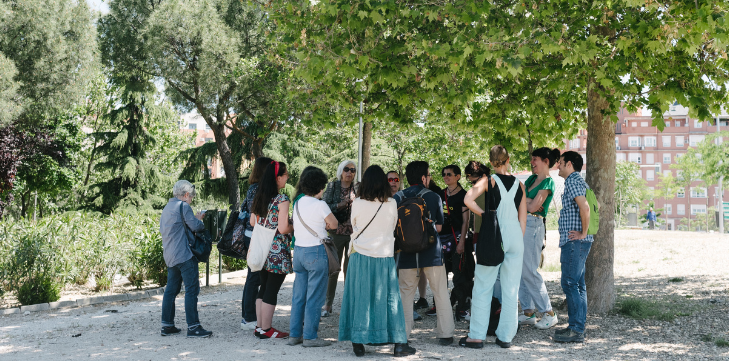
Credit: Te estoy poniendo verde, community garden project
In an increasingly polarised world, where social, political and cultural divisions seem to be deepening at the mercy of algorithms and new modes of communication brought about by digital transformation, initiatives such as La Revolución de las Emociones (The Revolution of Emotions), illustrate how collaborative artistic practices can serve as a powerful resource for promoting social cohesion and active community participation.
The construction of Europe is, in essence, a process of union and collaboration. As European nations face common challenges such as migration, climate change and inequality, collaborative artistic practices can become an important driver for creating a sense of European identity. By involving citizens from different backgrounds and cultures in artistic projects, mutual understanding and respect for diversity are fostered, these initiatives can help break down stereotypes and prejudices, promoting a more inclusive narrative of what it means to be European.
The growing inequality and inequity in our societies today push those hardest hit to find in migrants a scapegoat for their problems. The flames of hatred and radicalisation toward clearly xenophobic positions are easily ignited. In contexts where economic and social opportunities are increasingly unevenly distributed, the most vulnerable groups tend to feel frustration and despair. This situation is exacerbated when they face economic crises, cuts in public services or lack of employment, leading them to seek someone to blame for their difficulties.
Instead of recognising the complex structural causes of inequality, some sectors of the population direct their anger toward those they perceive as “others.” This dynamic is fuelled by stereotypes and prejudices, where migrants are seen as competitors for limited resources, rather than as individuals who also face significant challenges. Radicalisation toward xenophobic positions arises quickly in this context. Hate speech spreads easily, especially on digital platforms, where narratives that dehumanise migrants and perpetuate the idea that they are responsible for social and economic problems are disseminated. This not only affects migrants, but also erodes social cohesion and the fabric of communities.
Tackling this phenomenon requires a comprehensive approach that addresses the root causes of inequality and promotes empathy, education and intercultural understanding. Fostering constructive dialogue and providing accurate information about migration can help dismantle myths and reduce hostility toward migrants.
Collaborative artistic practices not only bring people together, but also generate a sense of identity linked to the territory, contributing to the construction of more inclusive societies. Community art projects promote collective management and the pursuit of the common good, as well as fostering the creation of spaces for dialogue and understanding, which in itself is a valuable tool for helping to mitigate polarisation. These initiatives often involve artists and community members in a joint creative process, where every voice is valued and every story has its place. This approach not only enriches the artistic outcome, but also empowers participants, allowing them to express their experiences and perspectives, thus creating a sense of belonging and connection.
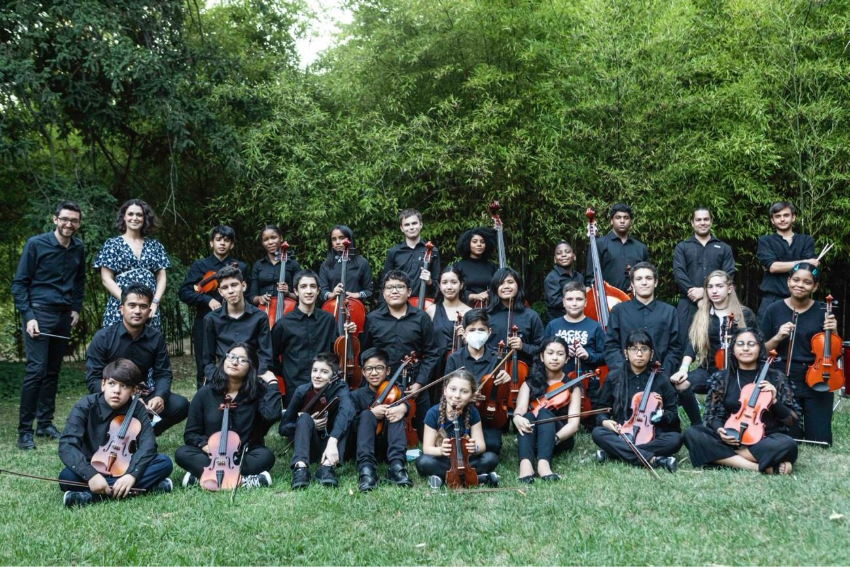
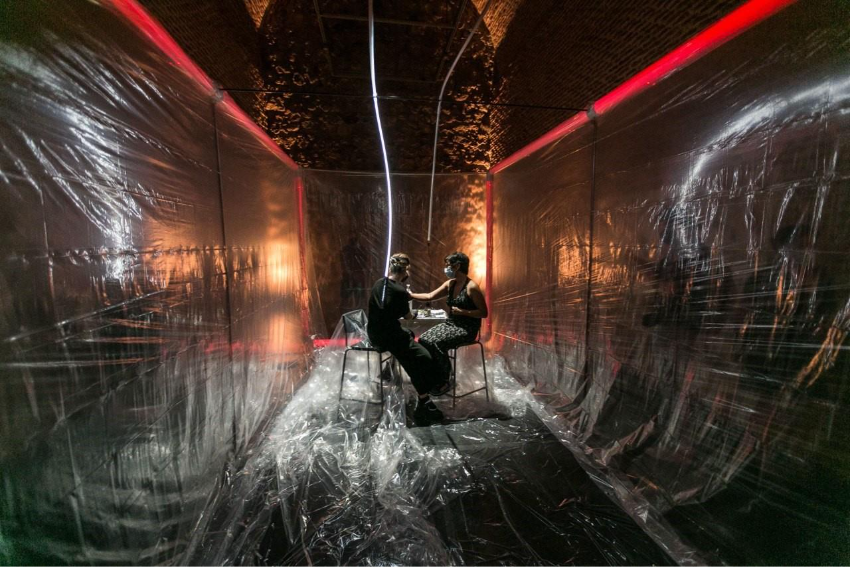
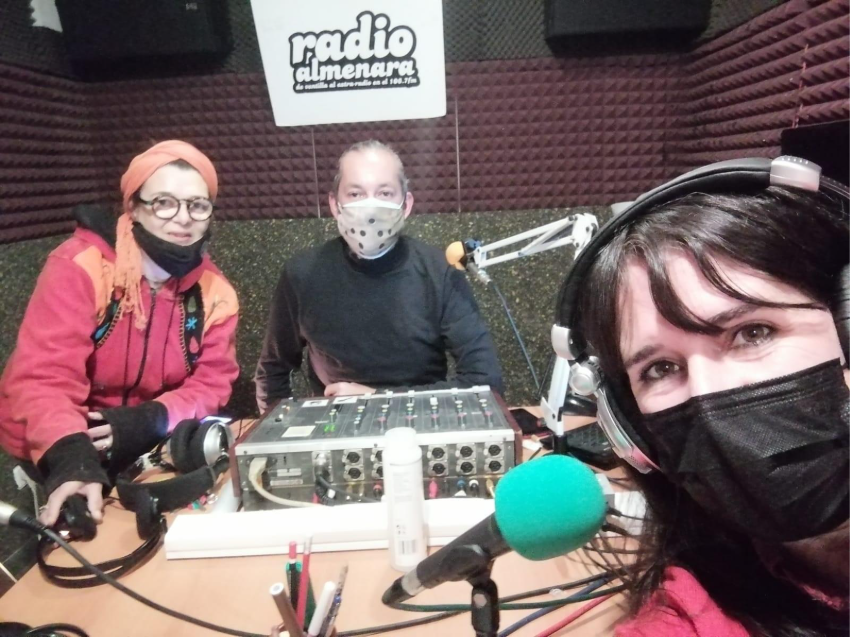
When people get involved in projects that reflect their stories and their environment, community ties are strengthened. These types of practices encourage residents to feel more connected to their neighbourhood and to each other. This connection is essential for building a cohesive community, where differences are celebrated rather than seen as divisions.
In addition, social participation through art fosters a sense of agency among individuals. When people actively participate in collaborative creation, they feel more empowered to influence their environment and community. And this empowerment is crucial to combating polarisation, as it promotes constructive dialogue and collaboration between different groups. Rather than focusing on differences, collaborative artistic practices invite people to find common ground and work together toward a shared goal.
To conclude, promoting the diversity and richness of cultural practices rooted in neighbourhoods is essential for strengthening social ties and community life. Initiatives like La Revolución de las Emociones and the Festival of Collaborative Artistic Practices “La Paca” showcase how artistic participation and cultural mediation practices can generate wonderful collaborative processes that bring people together, foster the creation of an identity linked to the territory and promote social participation and active life in the construction and cohesion of our societies.
No comments yet