


Promoting all sciences for an equitable wellbeing on a healthy planet
The Earth-Humanity Coalition (EHC) has been created in April 2024 as an answer to a call by the United Nations General Assembly: in the resolution promulgating 2024-2033 as the International Decade of Sciences for Sustainable Development (IDSSD), this assembly explicitly calls for the mobilisation of the organisations involved in the International Year of Basic Sciences for Sustainable Development (2022-2023).
In close collaboration with UNESCO, EHC aims for the development of co-designed (or transdisciplinary) research for sustainable development: the mobilisation of all kind of knowledge related activities, basic science research, humanities, social sciences, traditional and indigenous knowledge, together with citizens, their organisations and representatives, to develop an equitable human well-being and planetary health.
Five ways we drive change





ADDRESSING THE URGENT CHALLENGES OF SUSTAINABLE DEVELOPMENT
We aim to create transdisciplinary knowledge hubs around the world, to serve the planet and its inhabitants, and produce practical tools to implement deep changes.
FOSTERING TRANSDISCIPLINARITY
The combination of basic, human and social sciences with traditional knowledge and citizen participation, when possible, creates the conditions that enable actors who are generally unheard to play an important role in transformations.
SHARING AND PUBLICISING YOUR ENERGIES
We will tell the stories of successful transdisciplinary transformation initiatives and promote their adaptation to new contexts.
REIMAGINING THE ROLE OF SCIENCES AND HUMANITIES
Together, we will re-invent the way in which science and knowledge interact with society and policy, and co-create transdisciplinary approaches to the challenges that lie ahead.
CONTRIBUTING TO THE INTERNATIONAL DECADE
We are working in close collaboration with UNESCO, and we promote transdisciplinary approaches throughout the world alongside other organizations.
ADDRESSING THE URGENT CHALLENGES OF SUSTAINABLE DEVELOPMENT
We aim to create transdisciplinary knowledge hubs around the world, to serve the planet and its inhabitants, and produce practical tools to implement deep changes.
FOSTERING TRANSDISCIPLINARITY
The combination of basic, human and social sciences with traditional knowledge and citizen participation, when possible, creates the conditions that enable actors who are generally unheard to play an important role in transformations.
SHARING AND PUBLICISING YOUR ENERGIES
We will tell the stories of successful transdisciplinary transformation initiatives and promote their adaptation to new contexts.
REIMAGINING THE ROLE OF SCIENCES AND HUMANITIES
Together, we will re-invent the way in which science and knowledge interact with society and policy, and co-create transdisciplinary approaches to the challenges that lie ahead.
CONTRIBUTING TO THE INTERNATIONAL DECADE
We are working in close collaboration with UNESCO, and we promote transdisciplinary approaches throughout the world alongside other organizations.
Our projects
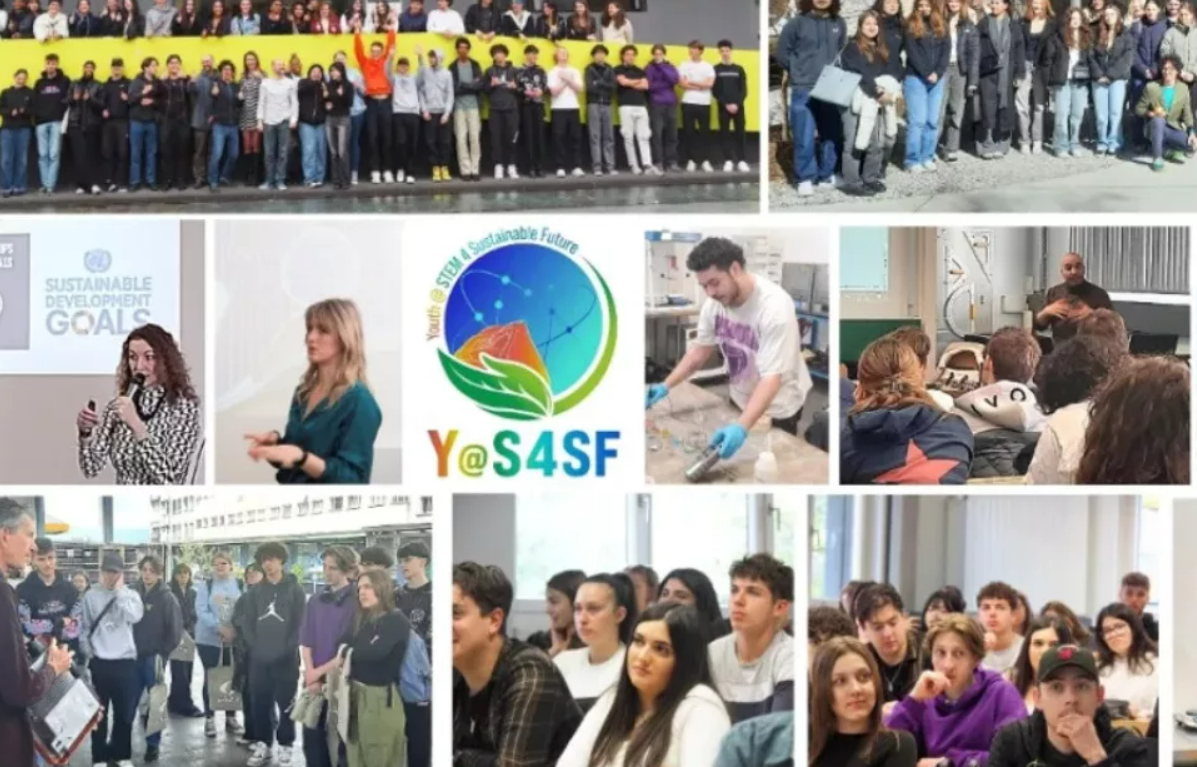
EHC-S4SF programme of Science and Education for Society and Sustainable Future
Exploring how science can serve as a unifying force for sustainability, education and global cooperation.
Our news

Why the future of sustainable development depends on transdisciplinary action
There is a growing global movement towards sustainability. But what we are still lacking is our ability to mobilise all forms of knowledge in support of transformative action. In this blog, Michel Spiro, chair of the steering committee of the Earth-Humanity Coalition, calls for the integration of basic and applied sciences, natural and social sciences, and traditional and local knowledge.